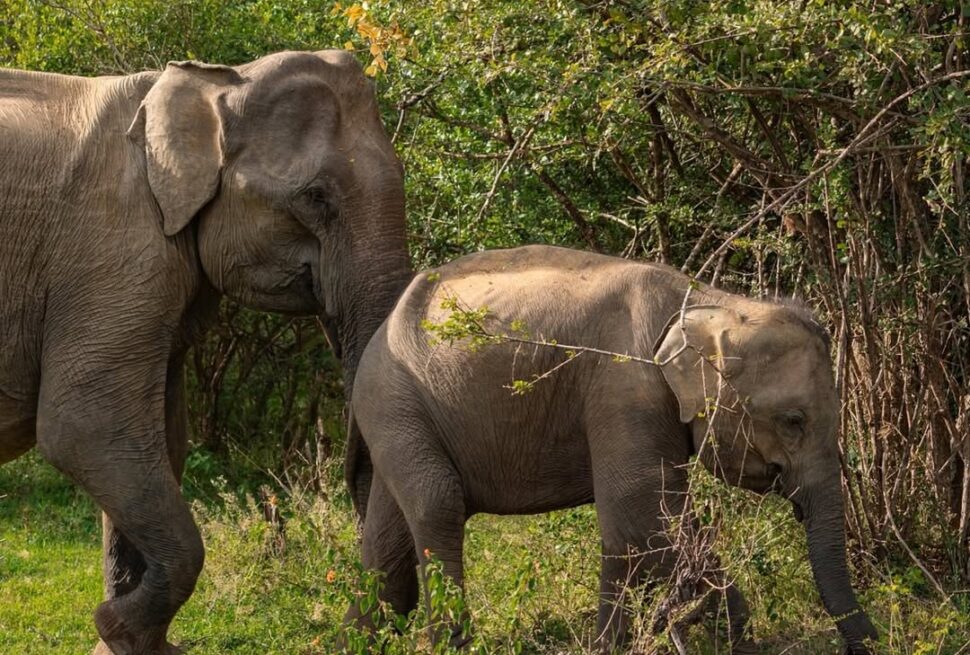
Udawalawe National Park, a jewel in Sri Lanka’s crown, is arguably the best place in Asia to see wild elephants. Unlike the dense jungles of other parks, Udawalawe’s open grasslands and scrub jungle offer unparalleled visibility, making it a photographer’s dream and a wildlife enthusiast’s paradise.
But to maximize your chances of a truly unforgettable safari experience, timing is everything. Udawalawe, like the rest of Sri Lanka, is influenced by two distinct monsoon seasons. Understanding these seasonal changes is the key to planning the perfect itinerary.
Here is a full professional guide to the best times to visit Udawalawe National Park, broken down month-by-month.
The Peak Season: Best Time for Guaranteed Sightings (May to September)
This period aligns with the dry season, making it the absolute best time to visit Udawalawe.
During the dry months, the natural water sources within the park diminish. This forces the wildlife, especially the large elephant herds, to congregate around the main Udawalawe Reservoir and permanent watering holes. This predictable behavior means game drives during this time have the highest likelihood of spectacular and close-up sightings.
| Month | Conditions | Wildlife Focus |
| May | Transitioning into dry season. Low rainfall, rising temperatures. | Excellent visibility. Elephants begin to gather near the reservoir. |
| June | Hot and dry. Water sources are noticeably shrinking. | Peak elephant viewing. Herds are reliably found at the main reservoir. |
| July | Very hot and dry. Drought-like conditions in some areas. | Optimal time for photography due to clear skies and predictable animal locations. |
| August | Hot and dry. School holidays can mean more visitors. | Excellent sightings, but book accommodation and safaris in advance. |
| September | Still dry, but temperatures begin to ease slightly. | Fantastic all-round experience before the monsoon begins. |
The Verdict: If your primary goal is to see the maximum number of elephants in a single safari, aim for June through August.
The Shoulder Season: Ideal for Birders & Fewer Crowds (January to April)
This period offers a beautiful balance of good weather and less tourist traffic. While not as bone-dry as the peak season, the weather is consistently pleasant, and the park is lush and vibrant.
| Month | Conditions | Wildlife Focus |
| January | Post-monsoon. Fresh, green, and beautiful. | Excellent birdwatching as migratory birds are present. Elephants are more dispersed but still easy to spot. |
| February | Pleasant weather, very little rain. | A great blend of good elephant sightings and fewer crowds than the peak season. |
| March | Warm and dry, signaling the start of the true dry season. | Increasing visibility as vegetation thins out. |
| April | Very hot and dry. Easter/local New Year holidays can bring local tourists. | High temperatures mean animals will seek shade and water earlier in the day—plan for early morning safaris. |
The Verdict: January and February are arguably the best months for travelers who want great weather, lush scenery, and fewer crowds without compromising on elephant sightings.
The Low Season: A Challenge, But Rewarding (October to December)
The low season is dominated by the Northeast Monsoon. Rainfall is at its highest, which can make for challenging safari conditions.
| Month | Conditions | Wildlife Focus |
| October | Start of the monsoon. Unpredictable heavy showers. | Elephants are widely dispersed due to abundant water. Fewer tourists. Best for finding elusive species like sloth bears (if you’re lucky!). |
| November | Heaviest rainfall month. Some tracks can become muddy and challenging for jeeps. | Lowest number of visitors. Excellent opportunity for photographers to capture dramatic, stormy skies. |
| December | Rainfall eases but the park is very wet and green. | The landscape is stunningly verdant. Sightings require more patience, but the park feels truly wild and untouched. |
The Verdict: This season is not recommended for first-time safari-goers focused solely on elephants. However, it’s perfect for budget-conscious travelers or those who prefer a highly secluded experience and are content with fewer, harder-won sightings.
Udawalawe Safari Timing: Practical Tips
No matter which month you choose, remember these two essential tips for the best safari experience:
1. Morning is King
The best time of day for any Udawalawe safari is 6:00 AM to 10:00 AM. This is when the elephants, crocodiles, and birds are most active before the intense heat of the midday sun drives them into the shade.
2. Book Your Jeep in Advance
Especially during the peak months (June-August), securing a reputable safari jeep operator ahead of time is crucial. A good driver will know the park’s topography and the current movements of the herds, greatly increasing your chances of a stellar sighting.
Final Safari Recommendation
For the ideal combination of great weather, minimal risk of rain, and exceptional wildlife viewing, the best overall time to visit Udawalawe National Park is from February to April and again from June to September.
Ready to witness the great elephant herds of Udawalawe?
Which month looks most appealing for your Sri Lankan adventure?